.png?width=915&height=464&name=Sage%20Valley_Primary%20Logo%20(1).png)
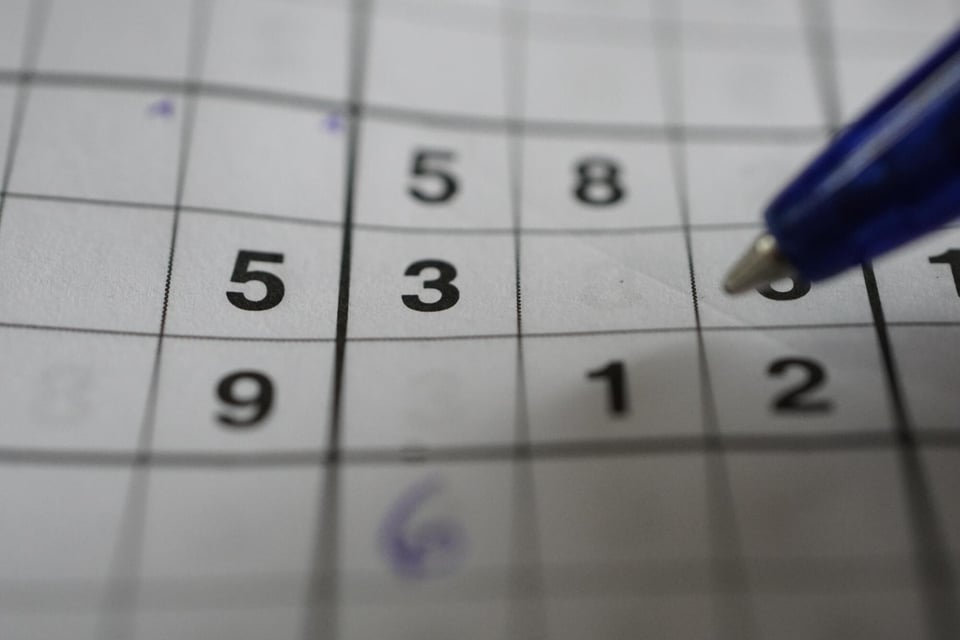
Word puzzles, movement-based thinking games, and creative tasks rank among the best brain exercises for seniors who want better memory and focus. Activities that mix mental challenge with enjoyment help older adults stay alert, confident, and socially engaged.
According to Georgia State University, one in nine Americans aged 45 and older reports occasional confusion or memory loss.
Staying mentally active matters at every age to help prevent cognitive issues. Older adults benefit from routines that challenge attention, problem-solving, and recall. Brain exercises also support mood and daily independence.
Consistent practice often feels rewarding rather than stressful when activities match personal interests. Mental exercise does not require complex tools or intense schedules. Simple habits practiced regularly often bring the most lasting results in Pflugerville, TX.
What Are the Most Effective Brain Exercises for Seniors?
Many effective brain exercises focus on everyday skills. Crossword puzzles and word searches encourage recall and vocabulary use.
Number games such as Sudoku help with logical thinking and concentration. Card games require planning and memory while offering social interaction.
Reading remains a powerful mental workout. The following stimulates imagination and focus:
- Books
- Articles
- Short stories
Learning-based activities strengthen mental pathways. Language learning apps or beginner music lessons challenge the brain in new ways.
Lifelong learning keeps curiosity alive and supports confidence. New skills often improve focus because the brain must pay close attention.
Hands-on projects also count as senior cognitive activities. Cooking from a new recipe involves planning, timing, and memory. Gardening requires observation and decision-making.
How Do Brain Exercises Help Improve Memory and Focus?
Brain exercises encourage the brain to form and maintain connections. Repetition supports recall, while challenge supports flexibility. Balanced activities support both short-term focus and long-term memory.
Memory improves when information feels meaningful. Games that relate to personal history or interests work especially well.
Storytelling exercises encourage recall of details and sequence. Photo-based discussions also help strengthen memory.
Focus improves through activities that require sustained attention. Jigsaw puzzles and pattern matching encourage concentration.
Mindfulness-based exercises train attention through breathing and awareness. Even short sessions can sharpen focus when practiced often.
Brain exercises work best when combined with supportive habits rather than pressure. Many people use memory care tools to support daily routines. The following can reduce stress while reinforcing recall:
- Calendars
- Reminder notes
- Labeling systems
Can Creative Activities Really Support Brain Health in Older Adults?
Creative activities offer strong mental benefits. Creative aging supports emotional expression along with mental engagement. The following outlets encourage imagination and problem-solving:
- Art
- Music
- Writing
Painting or drawing improves hand-eye coordination and attention. Craft projects involve planning and sequencing.
Music listening and singing stimulate memory and mood. Familiar songs often trigger strong recall.
Writing exercises support focus and reflection. Journaling encourages organization of thoughts. Poetry writing challenges language skills, and story prompts inspire creativity without pressure.
Group creative sessions also support social connection. Conversation adds stimulation and motivation because shared laughter and ideas keep participation enjoyable. Creative outlets help the brain stay active while reducing stress.
How Can Daily Routines Turn Into Brain Exercises?
Daily routines offer many chances to support memory and focus without extra effort. Morning planning encourages organization and decision-making. Choosing the following activates problem-solving skills:
- Outfits
- Meals
- Activities
Cooking encourages sequencing and attention. Following the steps in order supports recall, and adjusting recipes builds flexibility. Reading labels or measuring ingredients strengthens focus.
Errands also provide mental engagement because making short lists and remembering them builds working memory. Comparing prices or options encourages reasoning. Navigation exercises the brain when routes vary slightly.
Even relaxation time supports mental strength. Listening to audiobooks encourages attention. Discussing shows or news stories supports recall and communication.
Routine tasks become meaningful brain exercises when done with awareness and curiosity.
Frequently Asked Questions
How Often Should Seniors Do Brain Exercises?
Most experts recommend practicing brain exercises several times per week. Short sessions work well when done consistently.
Daily routines feel easier when activities fit naturally into the day. Remember that enjoyment matters more than duration.
Are Digital Brain Games Helpful for Older Adults?
Digital games can be helpful when designed for brain training for older adults. Simple interfaces and clear instructions matter.
Games that adjust difficulty help maintain motivation. Be sure to balance screen time with offline activities for the best results.
Do Social Activities Count as Brain Exercises?
Social engagement also supports emotional well-being. Social interaction challenges:
- Memory
- Attention
- Communication
Conversations require listening and response planning. Group games can provide lots of mental stimulation.
Can Physical Movement Improve Brain Function?
Movement supports blood flow and coordination. Activities such as walking while talking encourage multitasking.
Gentle exercise combined with mental tasks improves focus. Physical activity often enhances mental clarity.
What if Someone Feels Frustrated During Brain Exercises?
Frustration signals a need for adjustment. Easier tasks help rebuild confidence, so switching activities can keep motivation strong. Progress happens at different speeds for everyone.
Do Brain Exercises Still Help in the Later Senior Years?
Benefits remain possible at any age. Gentle challenges help maintain attention and confidence. Consistency matters more than difficulty, so activities should feel encouraging, not overwhelming.
Should Brain Exercises Change Over Time?
Variety helps prevent boredom and mental plateaus, which is why rotating activities can keep your interest strong. Adjusting difficulty supports growth while avoiding frustration. Flexibility allows routines to match changing needs.
Can Brain Exercises Be Done Alone or Are Groups Better?
Both options offer benefits depending on personal preference, but a mix of both keeps routines balanced and enjoyable. Solo activities support independence and quiet focus. Group activities encourage conversation and shared problem-solving.
The Best Brain Exercises for Seniors Keep People Sharp
The best brain exercises for seniors help maintain memory and focus through enjoyable daily habits. A mix of puzzles, learning, creativity, and social interaction keeps the mind active. Consistent practice using supportive tools leads to stronger focus and greater independence over time.
Are you wondering if you can get more out of your retirement in Pflugerville? At Sage Valley Senior Living, we make sure that each day is revitalizing with fun activities, such as group fitness classes, patio chats, ice cream socials, cooking workshops, bingo, volleyball, and so much more. Schedule a tour to explore a happier and more engaging lifestyle.